Techniques
Tommy Geoco

The next gap in design work
In this post
001. The 0.1% Problem
002. Quick Hits
Happy Tuesday.
Two things went live this week: my "Are We In Act Two Of AI" video on Friday, where I break down what I've actually been building with AI agents, and the Pietro Schirano interview yesterday on State of Play.
Pietro's "slow food vs. fast food" framing for design tools has been stuck in my head since we recorded it. More on that below.
Also: new Talent Network invites go out Friday (we're helping Cursor, Lovable, Figma, Granola, and others hire AI-native designers), and today I'm building my first design+ship workshop for my son's high school.
Hoping to turn it into a city-wide thing 🤞
– Tommy (@designertom)
TOGETHER WITH FRAMER
Framer → How I build websites without code
Figma's going deeper on AI code generation. Framer's going the other direction: closing the design-to-production loop without code.
January updates worth knowing:
On-Page Editing → Drag-and-drop elements, lock sections, handle localization right in browser
Advanced Hosting → Multi-site management, custom headers, unified domains dashboard
Instant Font Previews → Hover to see fonts applied in real-time
Freeform canvas. One-click to production. Wireframer generates multiple pages side-by-side. All free, unlimited projects.
It's what we use for the UX Tools site. We recommend it.
The 0.1% Problem
My design stack = new car smell every week
I recorded an interview with Pietro Schirano, the designer who built Cloud Engineer, got hired at Anthropic, and now runs the AI-native design tool, MagicPath.
Midway through, I was sharing my Slack setup where I work with my AI agents, the way tasks route between them, and he stopped me.
"You are so advanced... you're the top 0.1%."
I appreciated that, but it bugged me. Because the gap between what I'm doing and what most designers are doing isn't a talent gap. I just started earlier and have time to experiment. The real gap is how you work.
The Reality of High-Impact AI Workflows
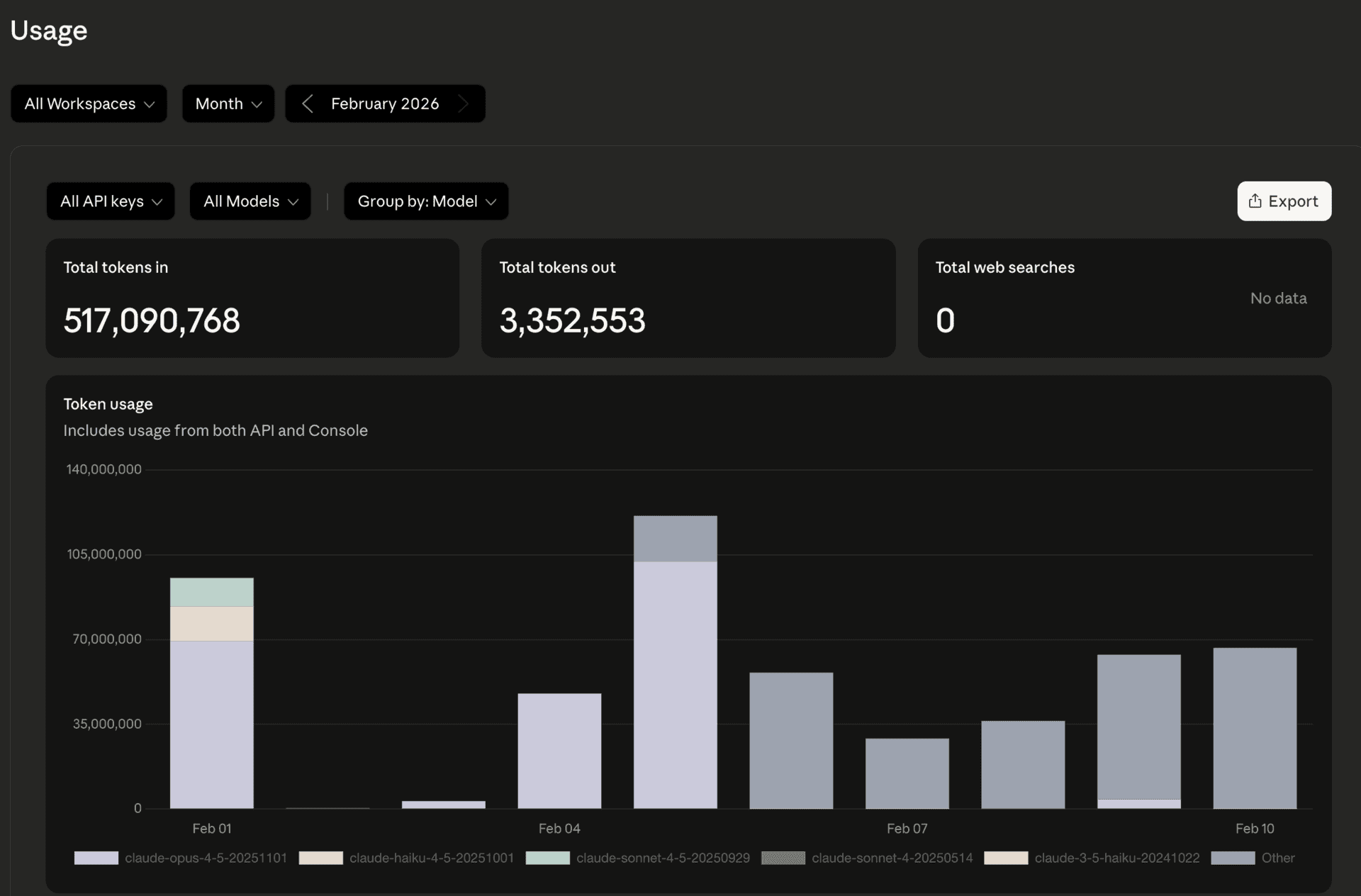
I've spent 500 million tokens in February alone. Don’t do the math (please).
I have an AI agent named Beans that wakes up every 30 minutes, checks health across my entire operation, fixes what it can, and goes back to sleep.
It handles daily industry research, captures business events, drafts writing, runs quality review, and automates coding tasks. It updates the context documents about my life + business without manual input from me.
And it breaks constantly.
I pop the hood on my setup daily. I describe the speed to people like an F1 car: you hit the gas and go, oh, this is fast. Then there's a funny noise. You pull over, open the hood, tweak something, get back in. You sustain that speed again. Start learning to think miles ahead instead of feet.
That's what building with AI feels like right now. It’s not pretty, but when it works, you have a direct line-of-sight of the power available.
The Actual Gap
So the tools are here. The models are here. The speed is here (albeit buried beneath patience and token bills).
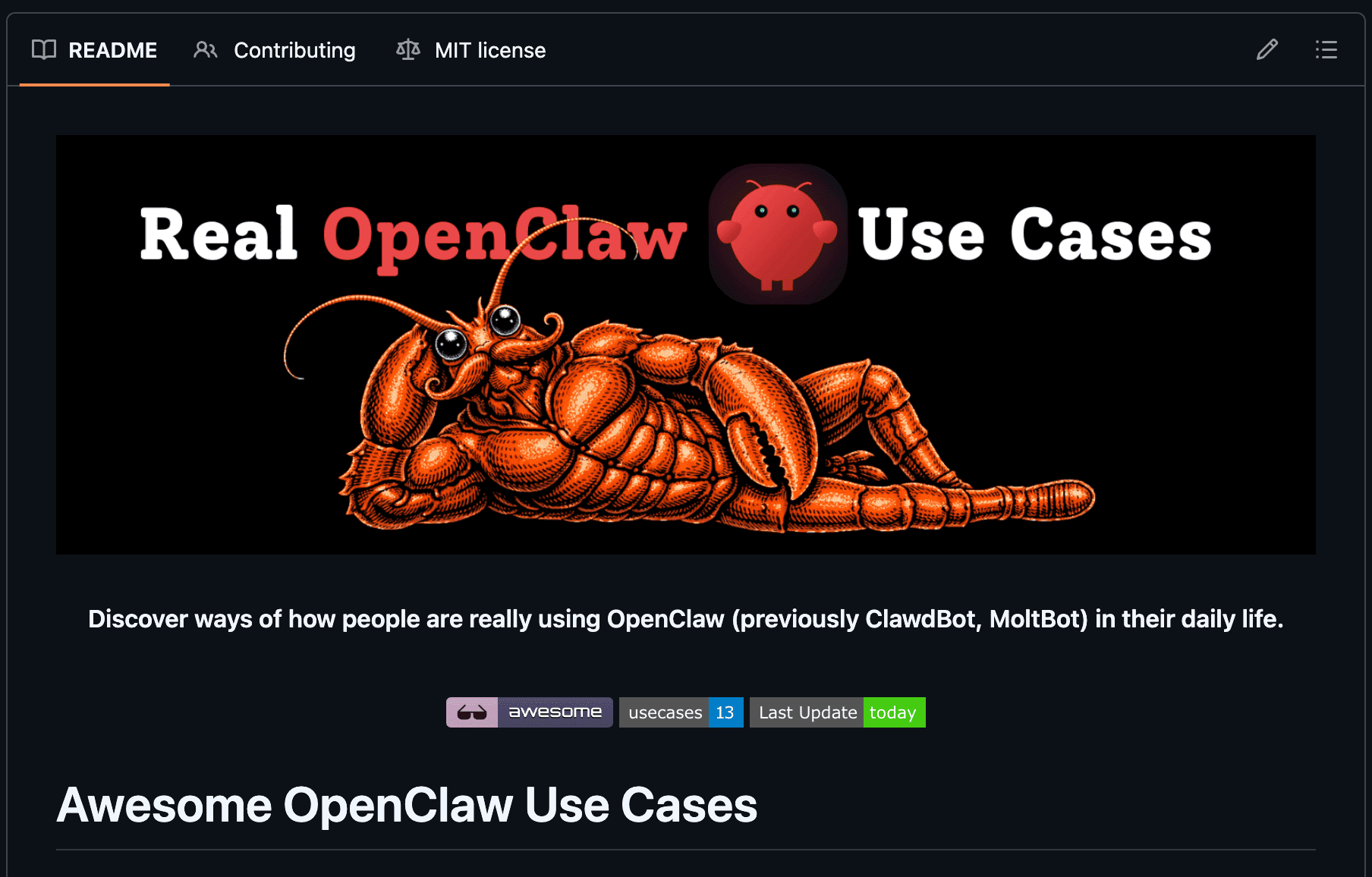
And yet, Hesamation posted a repo answering "What do I actually DO with 3,000+ OpenClaw skills?" and 769 people liked it. Because everyone thought it but nobody said it.
The new bottleneck is knowing what to do with the tools.
Pietro and I talked about this for a while.
He compared vibe coding to fast food: "it's great, sometimes you need it, it tastes amazing. But then when you look back, it's like, hmm, this is going to upset my stomach."
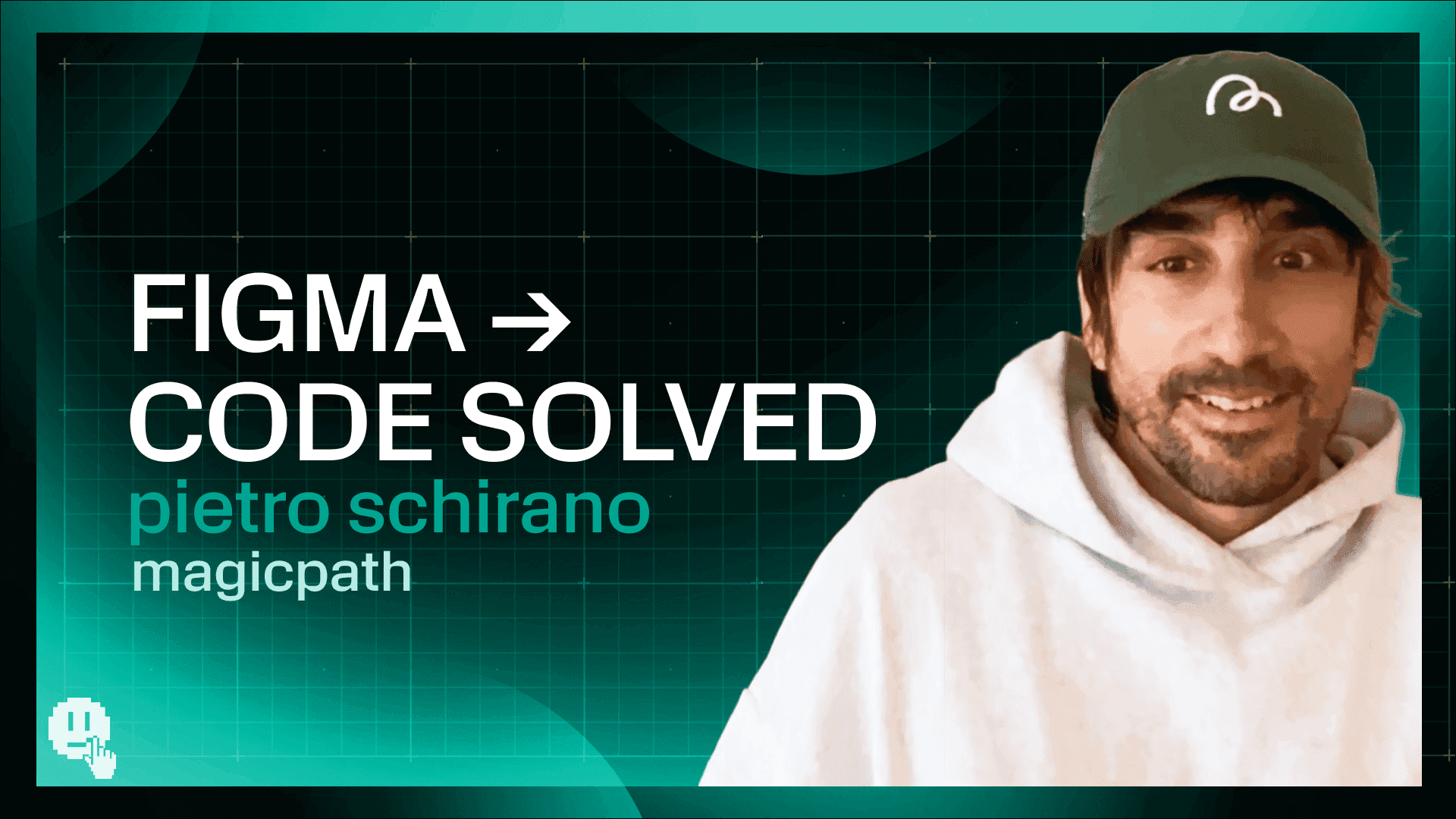
He's Italian, so the food metaphors come naturally. But the point is real. Pietro's bet is that designers still want to craft their interfaces, and the tool's job is to respect that craft while giving you working code at the end.
"If we remove the love that people have for their job, I think we fail as a society."
There's a version of the AI story where designers just learn to prompt in a terminal and forget the craft.
And there's a version where the craft gets stronger because the tedious parts are automated and humans spend more time on the decisions that matter.
How People Are Closing It
Ryan Singer, the person who gave us Shape Up (one of my favorite books about building products), is betting on it too.
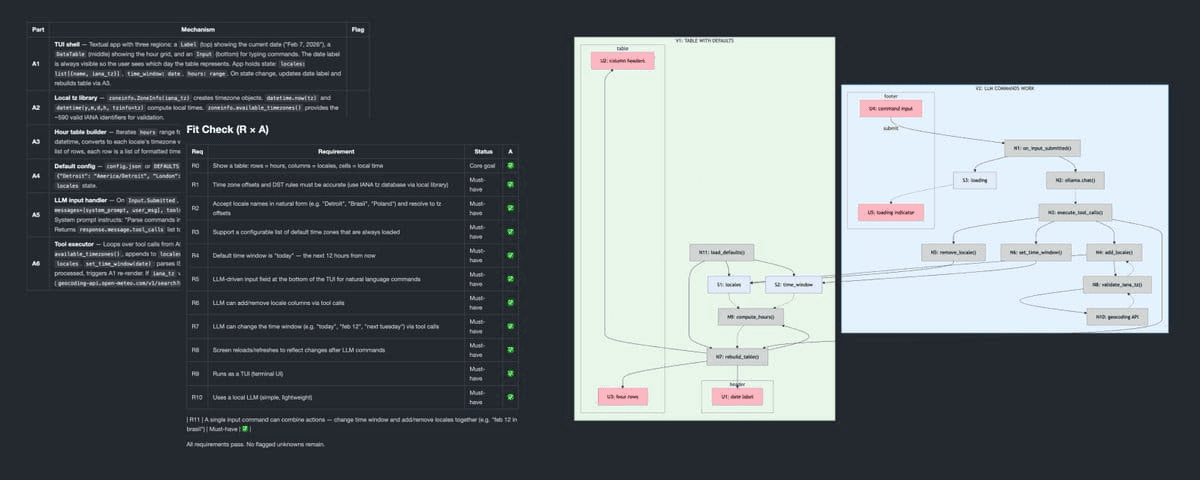
He just brought his entire way of working into Claude Code. Not just prompting. He ported his whole system:
Fit checks that show which requirements are covered by which solution parts, spikes for investigating unknowns.
Fat-marker sketches dropped into Claude Code as screenshots to catch missing UI affordances.
Breadboarding that combines UI and code into one circuit.
He's transferred how he thinks about building into the tool. We're running a similar experiment with personal taste and AI tools. We'll be sharing it soon.
Peter Yang broke down a similar pattern: "compound engineering" for Claude Code, where sub-agents research your codebase before writing code, review agents check security and architecture after, and learnings get captured so Claude never repeats mistakes.
Same architecture I'm running. Same architecture Singer is running. Everyone is independently arriving at the same conclusion: persistent context + specialized agents + review loops = compound improvement over time.
Jensen Huang put it simply: "expertise in artistry." Domain expertise multiplied by AI fluency. The expertise is what gives AI direction. The fluency is what lets you actually use it.
Quick Hits
Meng To replaced his entire design toolchain with AI agents.
Moved from Notion to local Markdown, replaced Midjourney with local image gen, uses Codex as his primary coding tool. Claims 10-20x shipping speed.
John Maeda drafts "Laws of Agency" for SXSW — UX is becoming AX.
The author of Laws of Simplicity says his own UX laws don't work in the agentic era. He's proposing new principles: SEED, GUIDE, MOLT, ORIENT.
OneContext launches persistent memory for coding agents.
1,400 likes. New sessions inherit everything from previous ones, shareable via link. If you've been frustrated re-explaining your project every time you open Claude Code or Cursor, you’ll dig this infrastructure layer.
MEET OUR PARTNERS
These are tools I actually use, so I asked them to sponsor the newsletter. They said yes. The best way to support us is to check them out 👇
Framer → How I build websites without code
Mobbin → How I find design patterns fast
MagicPath → How I design in canvas
Contra → How I hire and manage freelancers
Dscout → How I run user research
That's it for today.
What's your actual process for deciding when AI helps and when it gets in the way, or are you still figuring that out?
New here? The Talent Network connects AI-native designers with teams who need them. New invites go out this Friday.
See you next time,
Tommy