
Techniques
Tommy Geoco

Play out the end of design work
In this post
Happy Monday.
I've been thinking a lot about speed this week. I’m shipping projects at a rate I’ve never experienced, and without burning out.
I'm deep in a Beanstalk sprint right now, trying to figure out how to show off my new design process with AI coding tools. It's harder than it sounds.
When your stakeholders want to see "velocity," how do you demonstrate momentum without optimizing for the wrong thing?
That's exactly what I talked about with Sara Vienna, Chief Design Officer at Metalab. Her answer was refreshingly blunt: "Measuring velocity of designers is absolute bullshit."
– Tommy (@designertom)
TOGETHER WITH FRAMER
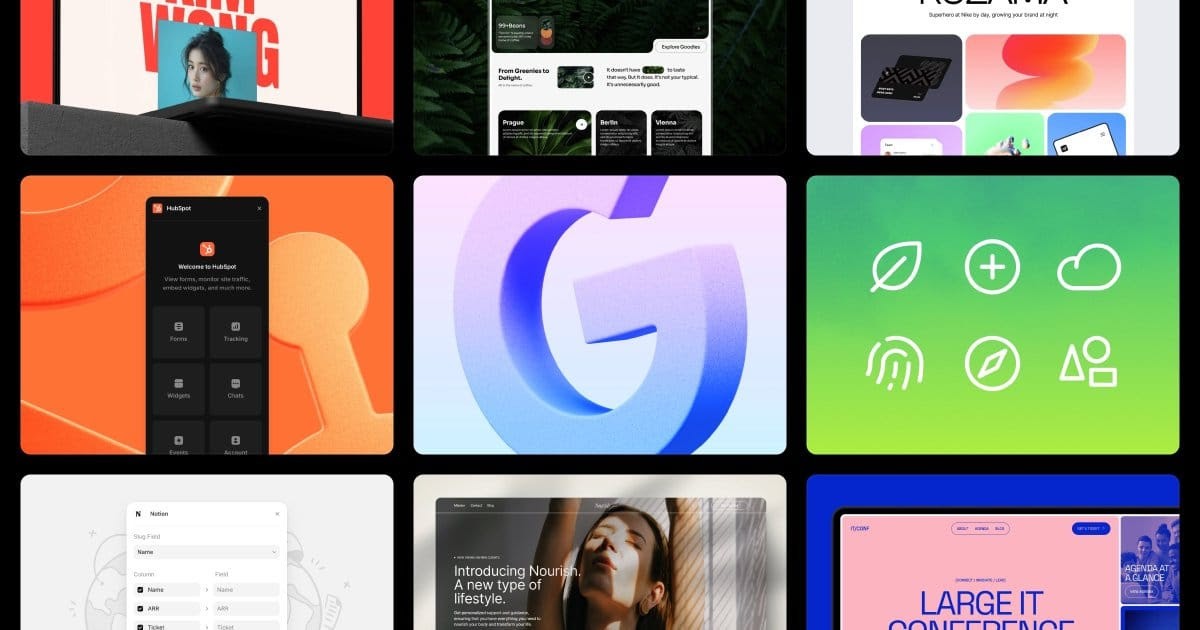
Framer → How I build websites without code
Figma's going deeper on AI code generation. Framer's going the other direction: closing the design-to-production loop without code.
January updates worth knowing:
On-Page Editing → Drag-and-drop elements, lock sections, handle localization right in browser
Advanced Hosting → Multi-site management, custom headers, unified domains dashboard
Instant Font Previews → Hover to see fonts applied in real-time
Freeform canvas. One-click to production. Wireframer generates multiple pages side-by-side. All free, unlimited projects.
It's what we use for the UX Tools site. We recommend it.
Is Velocity Obsession Breaking Design (When It Matters Most)?

Sara Vienna has led design at Metalab for years, shipping work for Slack, Uber, and Coinbase. She told me something that cuts against everything the industry is chasing right now.
Weeks later, Ralph Loops shipped 73 app iterations overnight, AI Factory built products while founders slept, and Compound Engineering made velocity their entire identity.
Everyone's optimizing for speed. Sara's arguing for trust, and she's been proven right faster than anyone expected.
We're watching the cost of velocity without trust play out in real time
The past two weeks brought Moltbook's database exposure, OpenClaw's 2/100 security score, and the first AI agent lawsuit.
These are second-order effects of a culture that rewards shipping above all else.
Sara saw this coming. She's watched designers burn out chasing metrics that misunderstand the work. But today, the stakes are higher.
When AI lets you ship 73 versions overnight, velocity isn't the bottleneck anymore. Trust is.
The winners in this moment will be the ones who build trust fast enough to survive the backlash of speed-at-all-costs.
Sara's framework is deceptively simple: ship something directionally correct in week one: rough, unpolished, but smart. Not to show off speed, but to prove you understand the problem.
Once stakeholders trust your judgment, you earn the space to craft something exceptional.
This is survival strategy now
With SaaS stocks down 30-80% and the narrative that "software companies are cooked" gaining traction, the teams that survive will be the ones whose stakeholders trust them. The velocity-obsessed teams will ship themselves into corners they can't iterate out of.
Metalab's "Tarantino Process" fits this moment perfectly: sketch the end state first, go divergent with wildly different ideas, then converge once everyone sees the destination.
It feels slower than generating 73 variations. It's faster at producing work that lasts.
And right now, as Kimi K2.5 ties for #1 on Design Arena and InterfaceKit launches for agent workflows, designers are at the center of the AI tooling explosion.
The AI question I’m exploring is whether designers will use it to accelerate trust-building or just accelerate the race to the bottom.
The implication: Stop proving your speed. Instead, prove your judgment. In a world where anyone can ship overnight, the designers who rise will be the ones who consistently demonstrate they understand what matters and can move everyone toward it.
MEET OUR PARTNERS
These are tools I actually use, so I asked them to sponsor the newsletter. They said yes. The best way to support us is to check them out 👇
Framer → How I build websites without code
Mobbin → How I find design patterns fast
MagicPath → How I design in canvas
Contra → How I hire and manage freelancers
Dscout → How I run user research
That's it for today.
If AI lets you ship infinite variations overnight, what becomes the scarce resource that actually determines whether your design succeeds?
See you next time,
Tommy