Tools
Tommy Geoco
Discovery code and new bottlenecks
In this post
Happy Tuesday. Welcome to 2026.
I spent 5 hours over the holidays trying to write a 60-second short about a Twitter conversation between Cursor's Ryo Lu and Linear's Karri Saarinen.
Couldn't do it.
The thing kept expanding. What looked like a simple back-and-forth about designing in code turned into something I've been trying to name for months.
So I made a longer video instead. And I want to share the core of it here, because I think it explains a shift that's going to define how we work this year.
– Tommy (@designertom)
Discovery Code
The dev community is obsessed with "Ralph Wiggum", an AI coding technique named after the perpetually confused Simpsons character who never stops trying. Give the AI a goal, let it fail, let it review its failures, iterate, fail better, repeat until you hit a win condition.
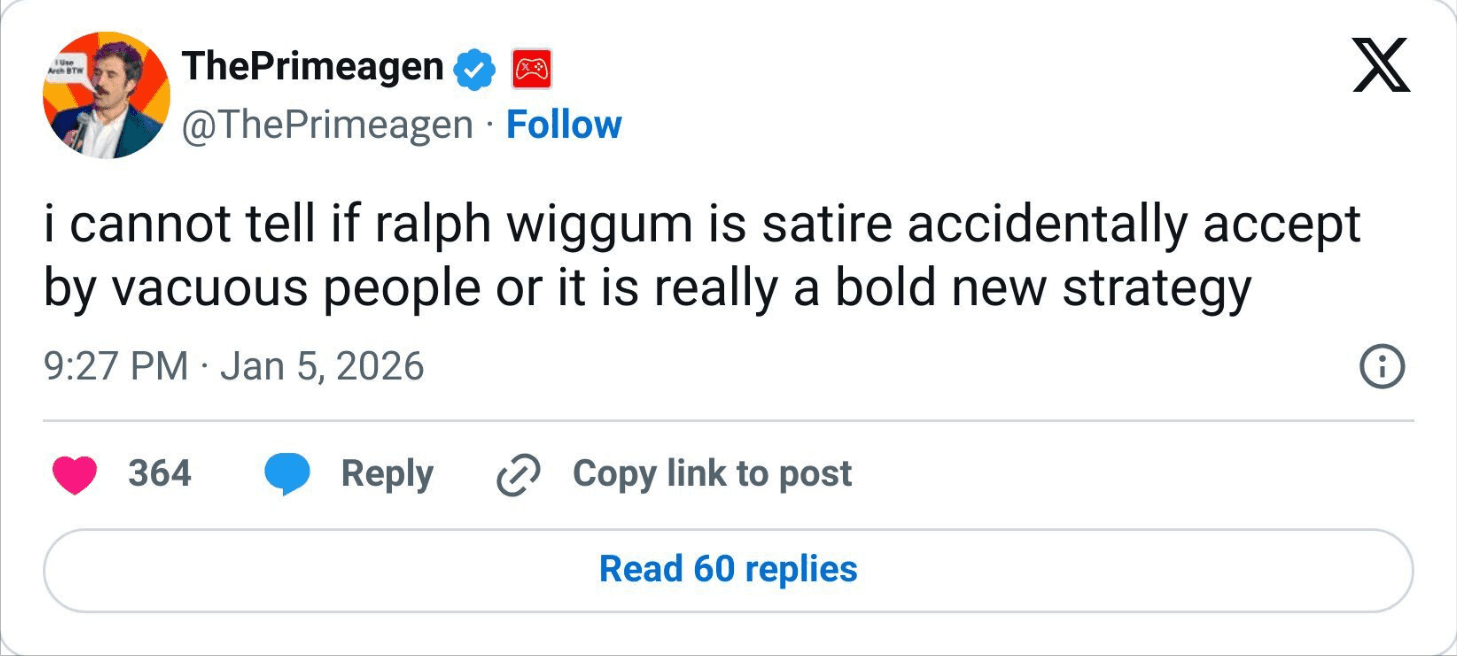
Brute force. Dumb but relentless. And it works.
This gives you two categories: production code, the material running your live software, and everything else. That everything else is what I've started calling discovery code.
Discovery code is quickly becoming the most-used material for initial exploration of ideas, even before you've sent calendar invites to users or written the research brief. Sometimes even before you know what you're prototyping.
Two years ago, exploring in code was expensive. You'd sketch, wireframe, prototype in Figma, hand off when you were confident enough to justify the build time your blueprint required.
Now a designer with Claude Code or Cursor generates 15 variations in the time it used to take to spec one. The garbage collection rate is exploding.
Rauno Freiberg at Vercel: "Build until you feel there's nothing more to explore. Then dial even the stupidest idea to 100, so you can go back 10 iterations and clearly see ‘ah, the simple one actually felt way better.’"
TOGETHER WITH DAZL
"Vibe coding" was a trend in 2025. Now it's becoming part of company cultures.
Some of you have been at this for months. Prompting your prototypes. You're becoming more capable with coding tools. Learning. Now you want more control over what gets built.
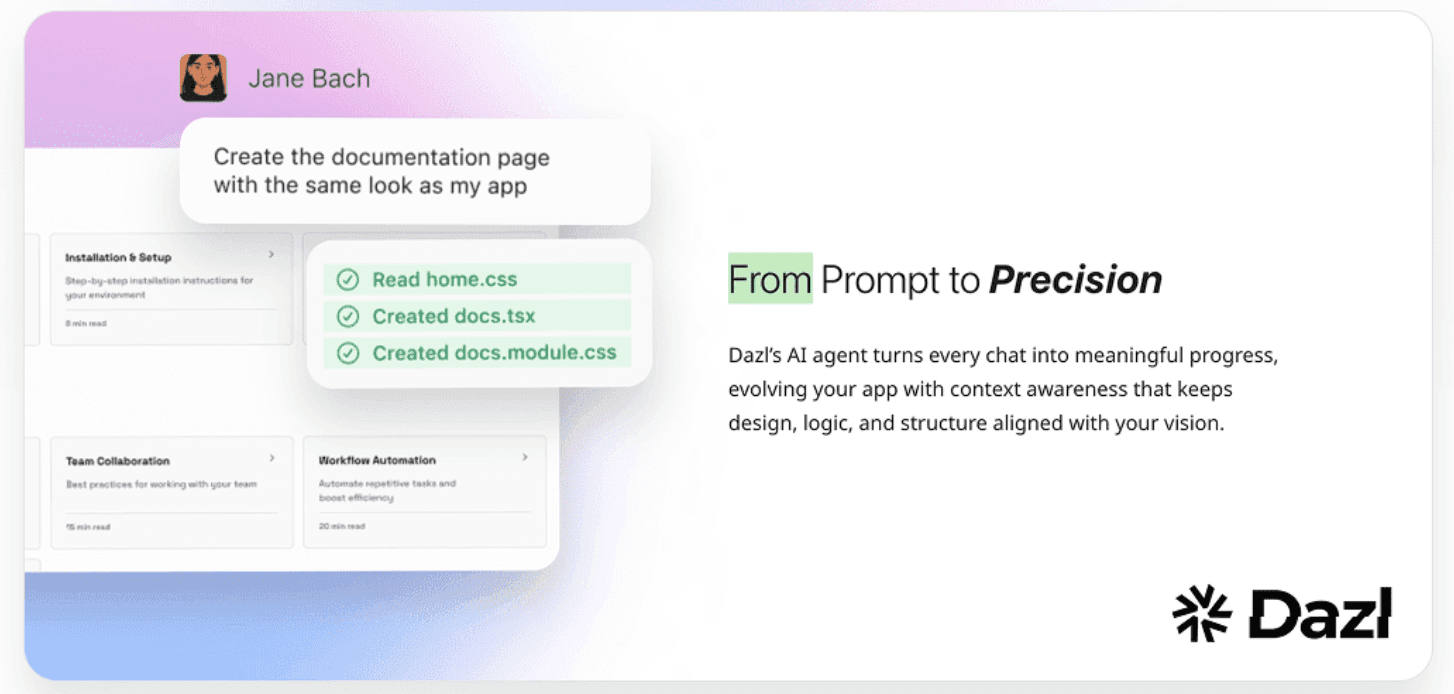
Dazl is for that next step.
Everything in one tab: AI chat, visual editor, code view, console. You prompt, it generates, then you refine it yourself: toggle button states, adjust grid layouts, drag fonts into the file tree.
Great tool for designers ready to graduate from pure vibe-coding.
Use code Dazlxtommy for 1-month free
The Bottleneck Flipped
The rate of a single diverge/converge loop used to depend heavily on build time. Days or weeks getting a concept testable. A quicker turnaround talking to stakeholders, customers, partners. Then more build time.
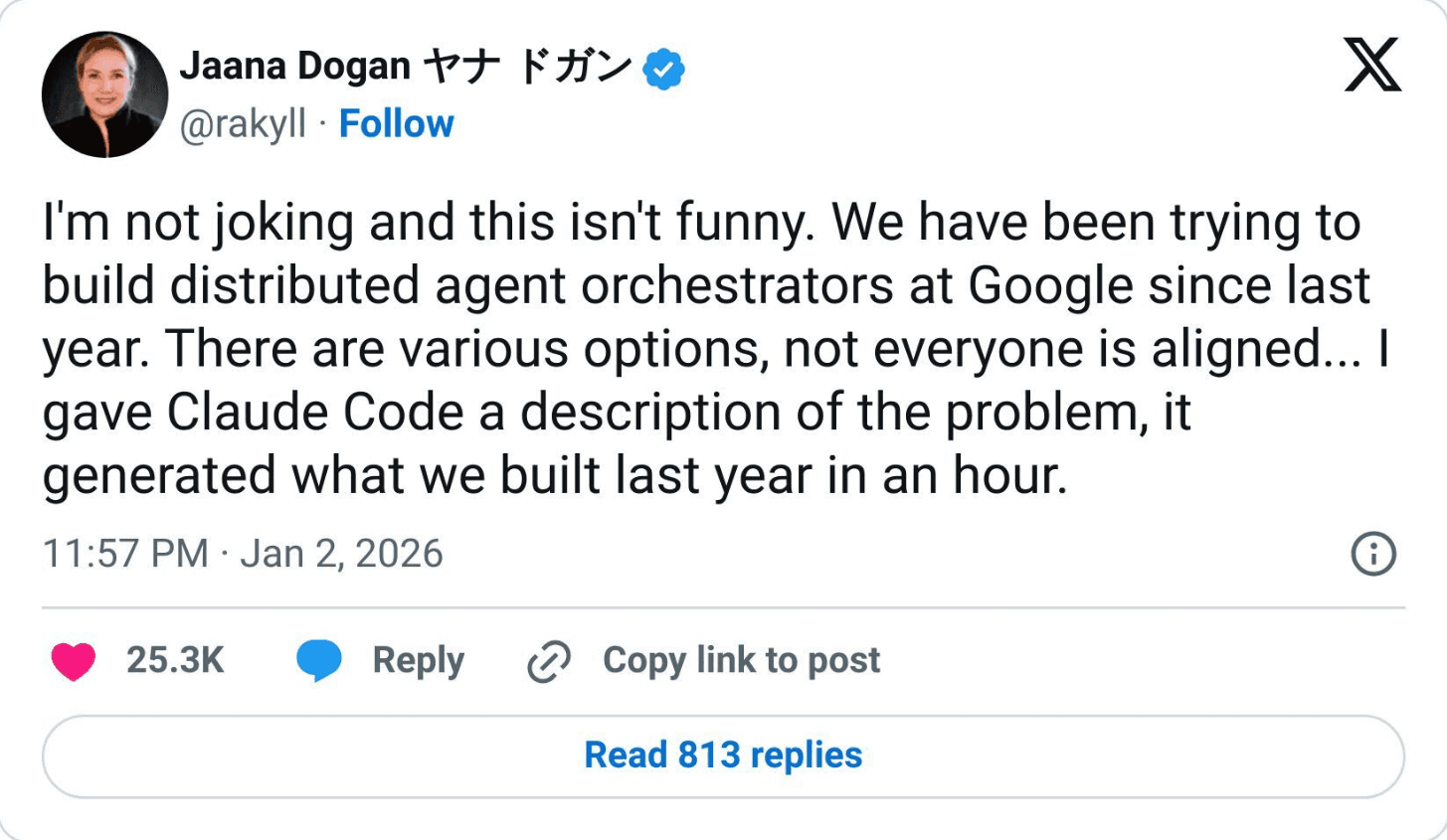
That cost equation is beginning to flip.
It can now take longer to collect and align feedback from humans than it does to iterate on an idea.
Building is faster. But cycling through feedback loops is only slightly so.
Which raises a question I don't have an answer to yet: how does this change our feedback cycles?
The research cadence from 2023 doesn't match the build speed of 2026. The designers I'm watching are experimenting - lighter validation, async testing, smaller batches shipped frequently. But I don't think anyone's figured out The New System™ yet.
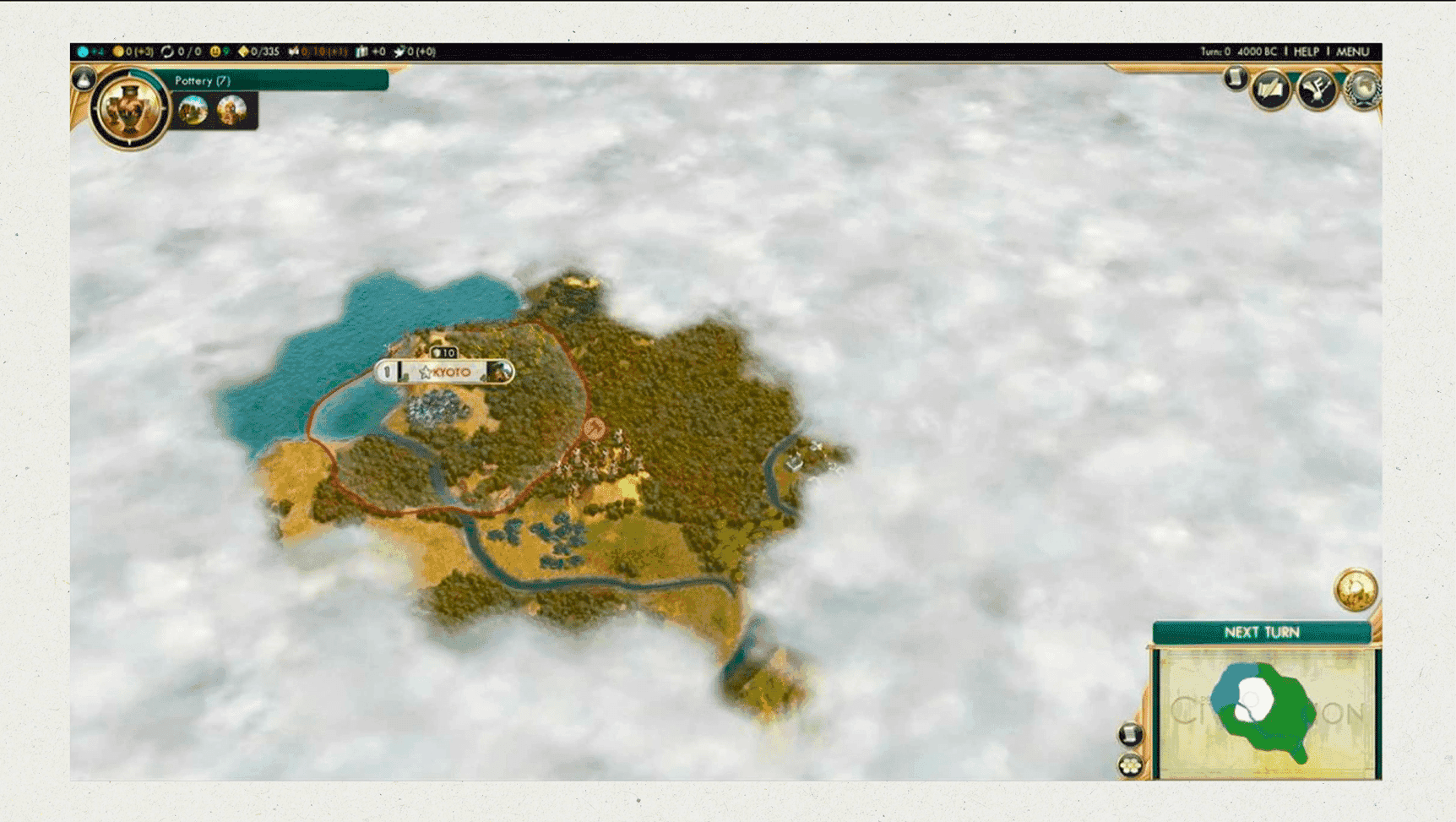
“Fog of war” in Civilization V
I compare it to the “fog of war” in video games - exploring an obstructed map that only reveals itself as you navigate. Discovery code is the revealing spotlight. The feedback loop is how you decide where to plant your flag.
Not unlike most product design loops. The difference is the volume and velocity.
Reads That Informed This
Karri's "Design is Search" (Dec 12) and "The Disappearing Middle" (Jan 3)
Best articulation of how AI compresses the design-to-dev pipeline.Peter Steinberger's "Shipping at Inference-Speed" (Dec 28)
What the new build loop feels like in practice.Dex Horthy's "A Brief History of Ralph" (Jan 5)
Where the Ralph Wiggum framing comes from (and why it’s trending).NPR on Jevons Paradox (Greg Rosalsky)
When something gets efficient, we use more of it. The value of discovery code.
Design Bundle 2026 (I'm in this)
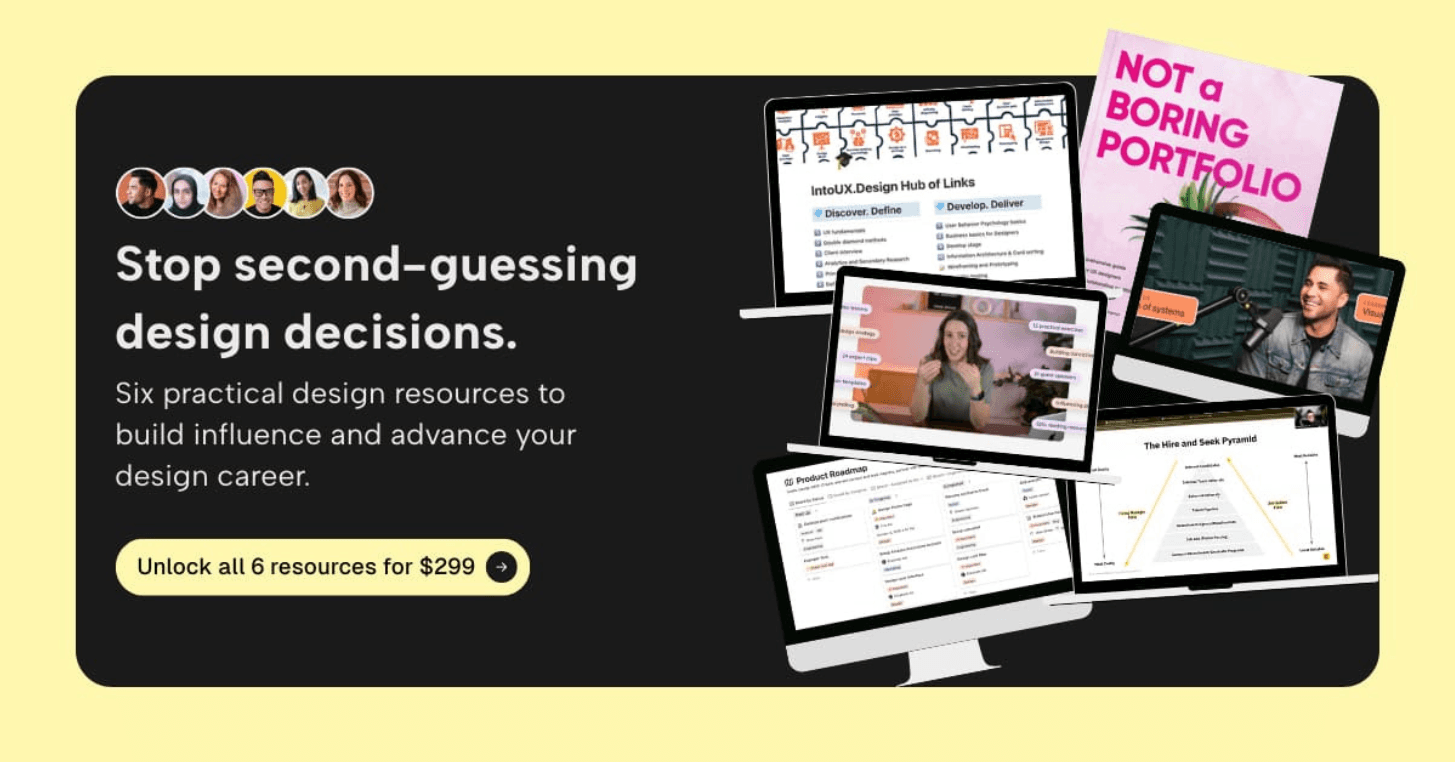
I joined five designers in a design course bundle that ends January 16.
If your design decisions feel shaky, your work feels invisible, or your job search is going nowhere, we put this together for you.
Six courses and resources from working designers who've been there. Strategy, decision-making, portfolio, job search, workflow systems.
$299 for $1,600+ worth of material: videos, templates, exercises.
What's Changing at UX Tools
We're killing the Annual Survey. End-of-year snapshots are becoming less useful.
Instead, we're moving to quarterly, thematic surveys - each one exploring a specific thesis about how software design work is changing.
Q1 survey: the function of “prototyping”. What does the word even mean when your Figma file becomes a live site, or a prompt generates working components?
We're building a media lab for software designers. Not "UX designers" or "product designers" — software designers (human-generated em-dash, mind you).
The definition is blurry and perpetually inclusive. Professionals who design software, whatever their title, whatever their tools.
What else is coming:
UX Tools Lab. an industry benchmark for how design tools actually perform
Talent network. connecting designers to companies that value design
Weekly YouTube videos. State of Play podcast, This Is Taste episodes, tool experiments, designer workflows
2025 retrospective coming soon.
The Bottom Line
That's the first issue of 2026.
Discovery code made exploration cheap. Now the constraints are changing. I don't know what the new systems look like yet. But we're going to explore them this year.
What new workflows are you exploring?
See you next week,
Tommy