Techniques
Tommy Geoco

"Agent-permeable" is the new mobile-responsive
In this post
Happy Tuesday.
The most recent design shift was designing for thumbs. The next design shift might be designing for agents.
We've spent fifteen years obsessing over breakpoints and touch targets. Mobile-first became responsive became native app became whatever we're calling adaptive layouts now.
Something new is rumbling.
Peter Steinberger joined OpenAI on Friday, the OpenClaw creator whose project hit 194K GitHub stars faster than React, Linux, and Kubernetes combined.
In 3 months.
The agents are coming. And most products aren't ready.
– Tommy (@designertom)
TOGETHER WITH MOBBIN
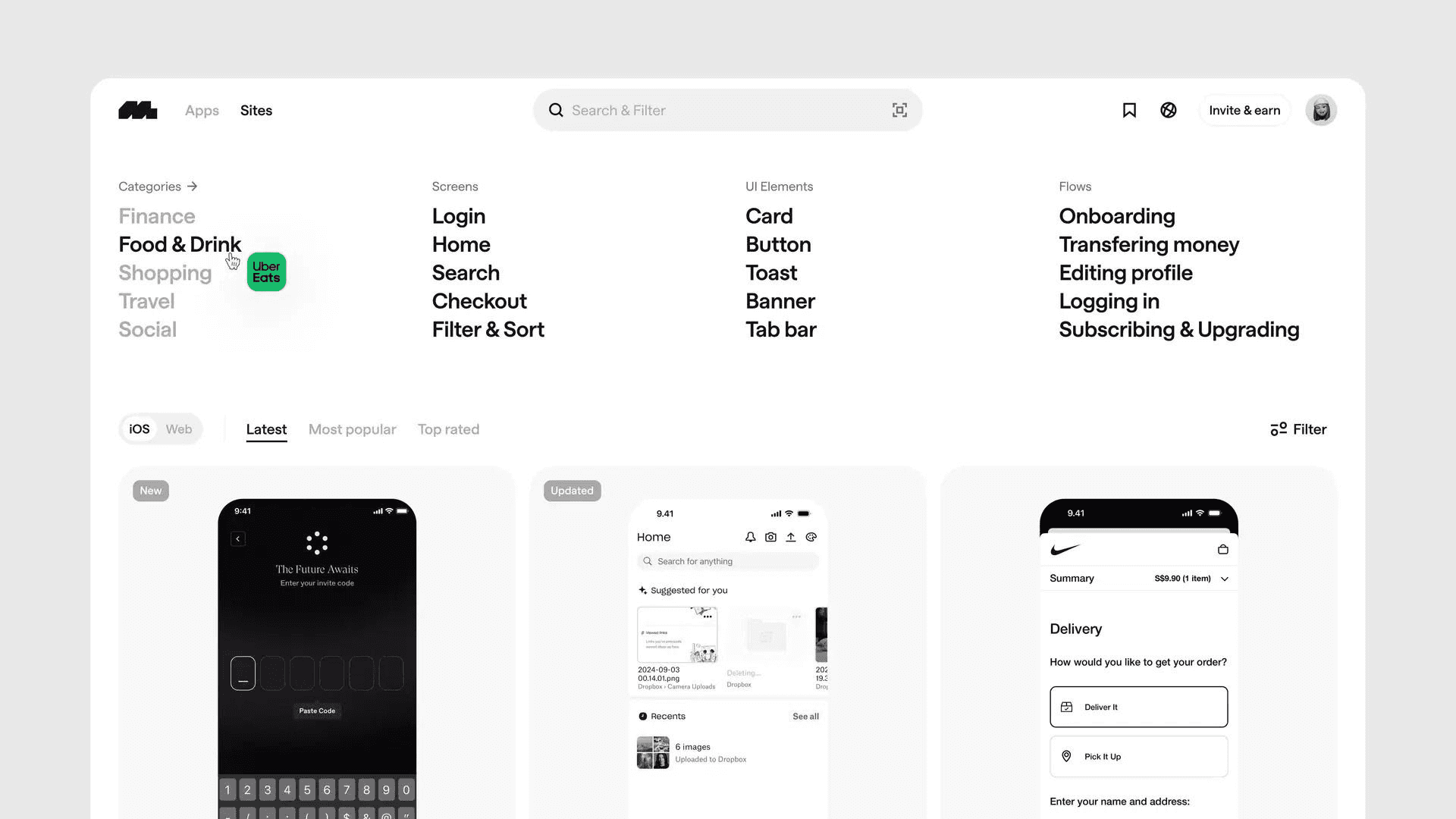
Find design inspiration in minutes.
Mobbin is a massive library of real product screenshots and full flows from top apps. Search by platform, pattern, component, or category to find what actually works in the wild.
Great for audits, pattern studies, and getting your team aligned fast.
Or just for finding that next visual direction, like I did with my product Lorelight.
"Agent-Permeable" Is the New Mobile-Responsive
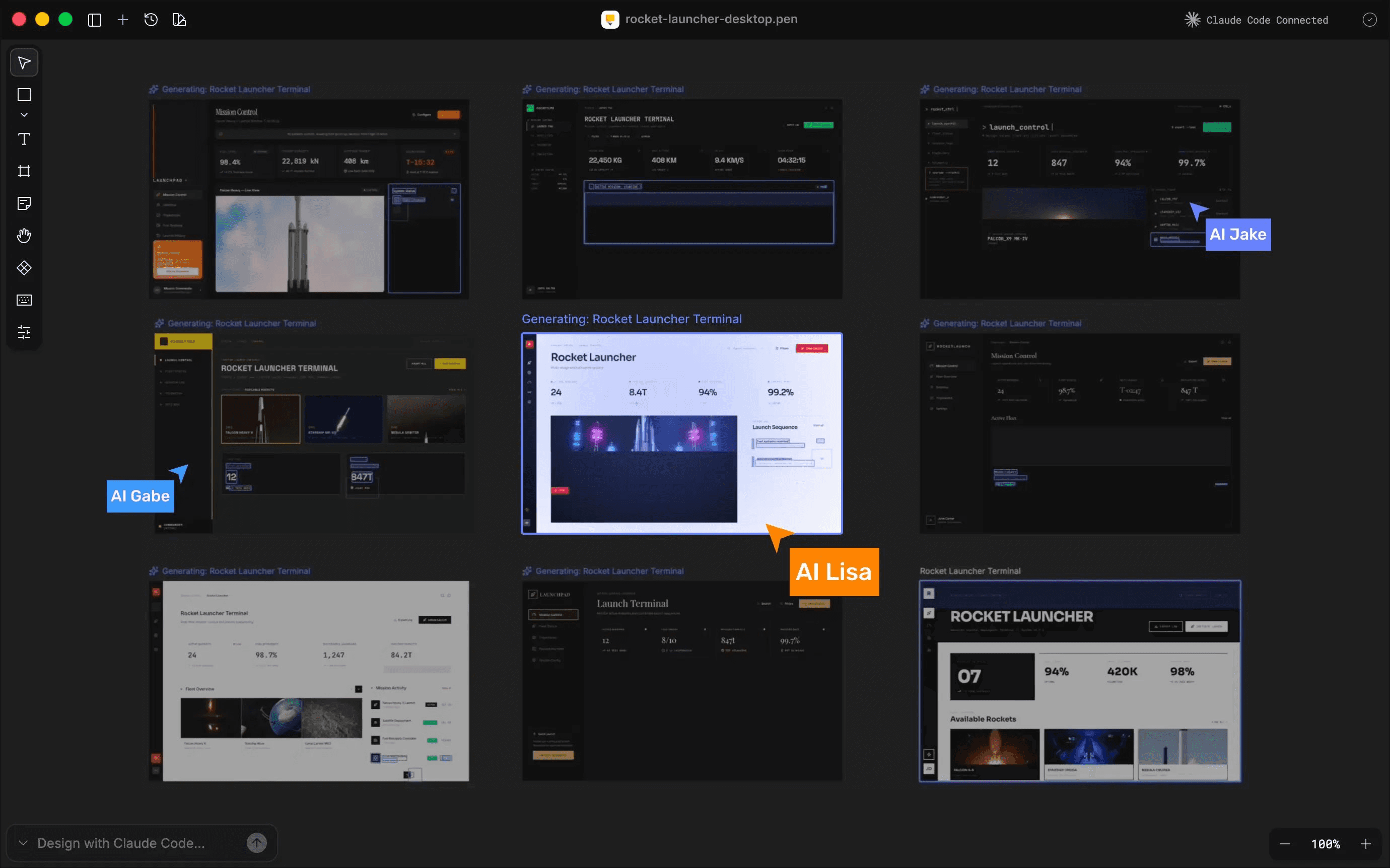
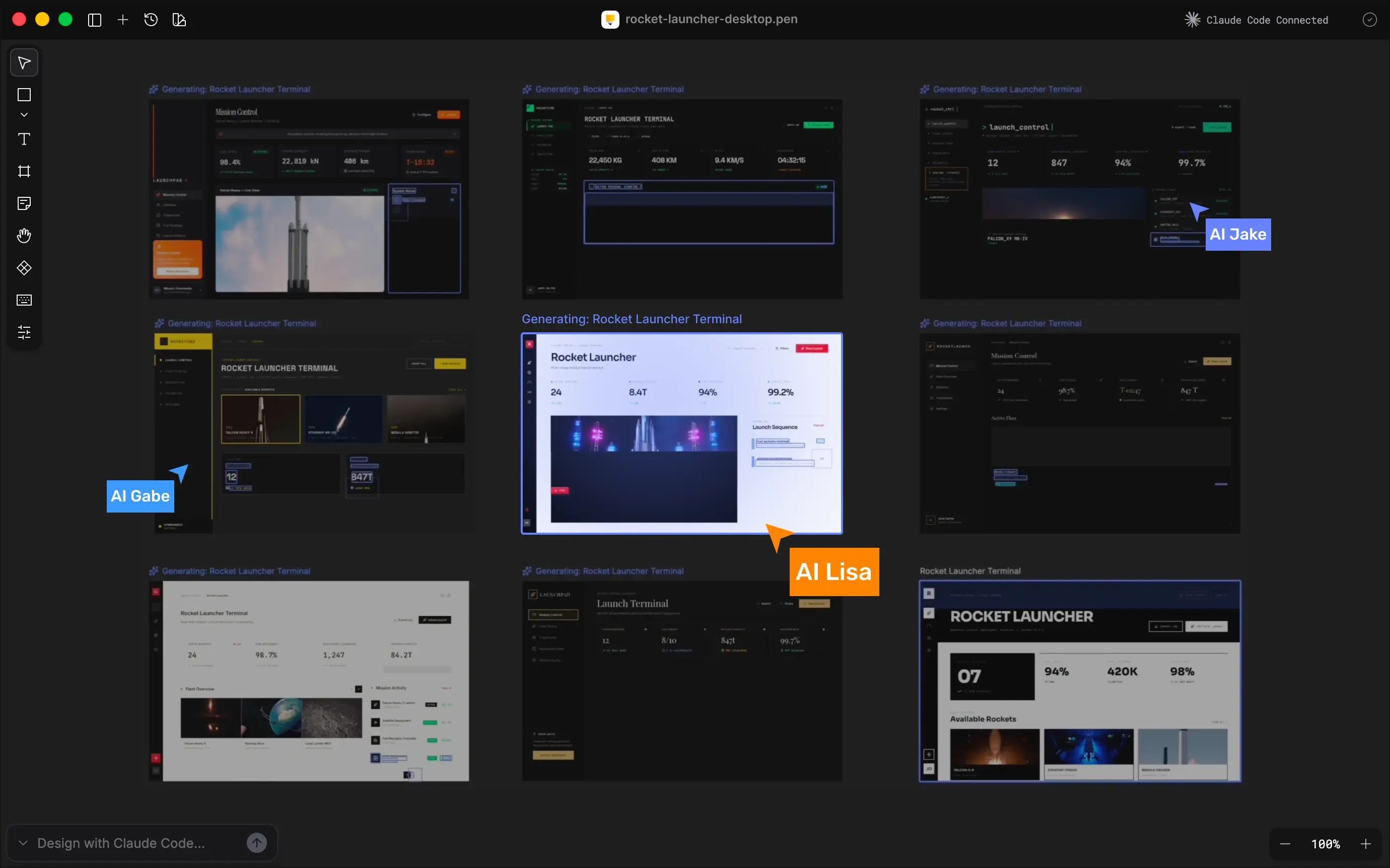
Pencil.dev is an agent-driven MCP canvas
Mobile-responsive meant your layout adapted to screen size. Agent-permeable means your product adapts to autonomous interaction.
This is a design problem, not an engineering problem. You can't API-wrapper your way out of it.
Look at what happened this month:
Manus launched personal agents inside Telegram.
Pencil shipped an agent-driven MCP canvas that turn designs into code, no subscription.
Opus 4.6 is now driving Figma directly through Cursor.
Garry Tan called local personal agent software his "favorite new meta of 2026."
Agents are becoming a primary interface.
When an agent tries to use your product, it doesn't scroll. It doesn't "discover" features. It queries. It expects machine-readable capabilities, predictable endpoints, programmatic onboarding.
Brian Flynn laid this out in a piece about agent commerce: when search costs approach zero, the buyer is software with a budget. Instead of browsing your marketing site, agents are checking your JSON manifest.
Right now, the norm is beautiful interfaces with poor agent experience.
Designers who start to think about agent affordances the way we once thought about thumb zones will join a domain-on-the-rise.
Quick Hits
Steinberger → OpenAI.
The OpenClaw founder is joining OpenAI to "bring agents to everyone," with OpenClaw becoming an independent foundation. Aakash Gupta's take is sharp: OpenAI just hired a guy who proved you don't need $10B to build the agent future.DeepSeek V4 dropping this week.
Reportedly 10-40x lower inference costs, 1M context window, runs on dual RTX-4090s. Michael Burry (yes, The Big Short guy) called this the "4 horsemen of the data center apocalypse." If you're still routing everything to Opus, your cost optimization story is about to get more dramatic.Pencil.dev came out of nowhere.
Free infinite design canvas optimized for local AI agents. Turns designs into code, works with VSCode and Cursor. No subscription. This is what happens when you apply Garry Tan's "local agent meta" to design tools.Mark Cuban on AI job creation.
33M US businesses need AI integration. Only 8.8% have it in production. The gap between "I used a chatbot" and "AI runs my operations" is where the entire opportunity sits. Most of that 91.2% hasn't even started.US government funds $145M in AI apprenticeships.
The goal is 1 million active apprentices. Target industries are AI infrastructure, Semiconductors, Nuclear energy, Defense, Healthcare and Telecom.
MEET OUR PARTNERS
These are tools I actually use, so I asked them to sponsor the newsletter. They said yes. The best way to support us is to check them out 👇
Framer → How I build websites without code
Mobbin → How I find design patterns fast
MagicPath → How I design in canvas
Contra → How I hire and manage freelancers
Dscout → How I run user research
That's it for today.
I'm thinking about what agent-permeable actually looks like in practice. Not just APIs, but the whole interaction model. If agents become the default user, what assumptions about onboarding, discovery and error handling fall apart?
See you soon,
Tommy