Techniques
Tommy Geoco

What is AI doing to design career ladders?
In this post
001. The Missing Ladder
Happy Sunday.
I put out a new video today: the deep dive on AI, labor, and technological panic that's been eating my calendar for a month.
The historical research was supposed to be the grounding part. It ended up surfacing even more questions and some interesting stories.
More on that below, plus a few things I've been watching.
– Tommy (@designertom)
TOGETHER WITH NOTION

Most AI still waits for you to prompt it. Notion Custom Agents don’t.
You describe the workflow once, then they run on schedules and triggers to handle recurring work for you — things like weekly reports, task triage, and keeping docs current.
What makes this interesting is that they live where the work already lives.
They use your existing docs and databases in Notion, and they can work across Notion, Slack, and Mail too.
You can set one up by chatting with Notion Agent, then share it with your team just like a page.
Custom Agents are available now for Business and Enterprise.
The Missing Ladder
Short version: most technology panic isn't about the tool. It's about what happens when the old path to competence disappears before anyone builds a new one.
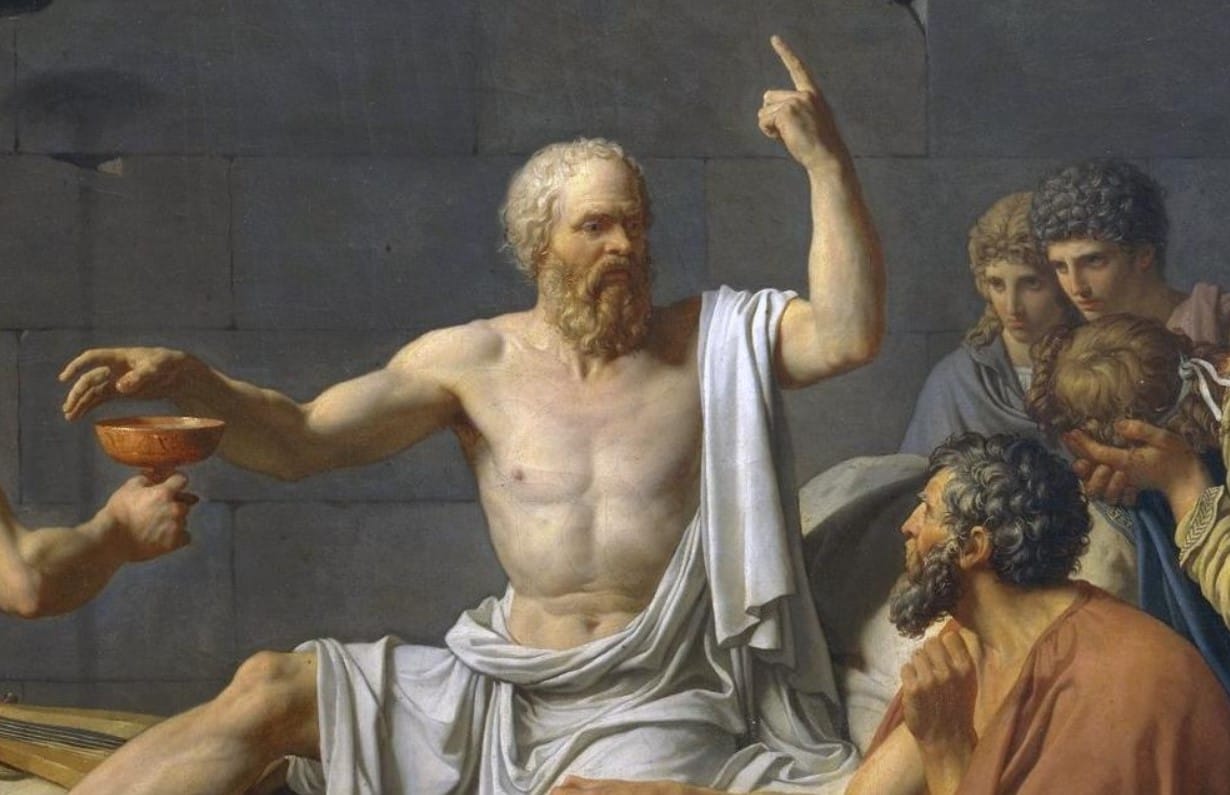
One of the best old examples is writing itself. In Phaedrus, Socrates argues that writing will weaken memory and hand people fake wisdom.
He had a point.
Writing did change what counted as memory — it externalized recall, shifted the value from holding everything in your head to knowing what to retrieve and what to build on top of it.
New tools reshuffle the skill stack. They always have.
A few centuries later, the printing press. Johannes Trithemius wrote a whole book defending handwriting and scribes. Manually copied books had spiritual and intellectual value that print couldn't replicate.
He wasn't entirely wrong about that. Copying by hand does change your relationship to a text. But the book defending handwriting got printed and distributed by the very thing he was arguing against.
His ideas were only preserved because of this technology.
The new medium archived the complaint about itself. And that keeps happening.
Photography didn't kill painting. It changed what painting was for.
Desktop publishing compressed labor and collapsed a craft hierarchy almost overnight.
CAD pulled drafting into engineering and relocated where judgment lived.
The capability story always gets told first. What got erased takes longer to surface, and by then the narrative has moved on.
The part that gets skipped every time is the ladder.
When the skill stack reshuffles, who teaches the beginner? Nobody's built the path from "I can prompt it" to "I can be trusted with this." Not yet.
That's why the AI moment lands so hard in design and adjacent creative work. The ceiling got superpowers before anyone rebuilt the floor.
Data is starting to show the shape of it.
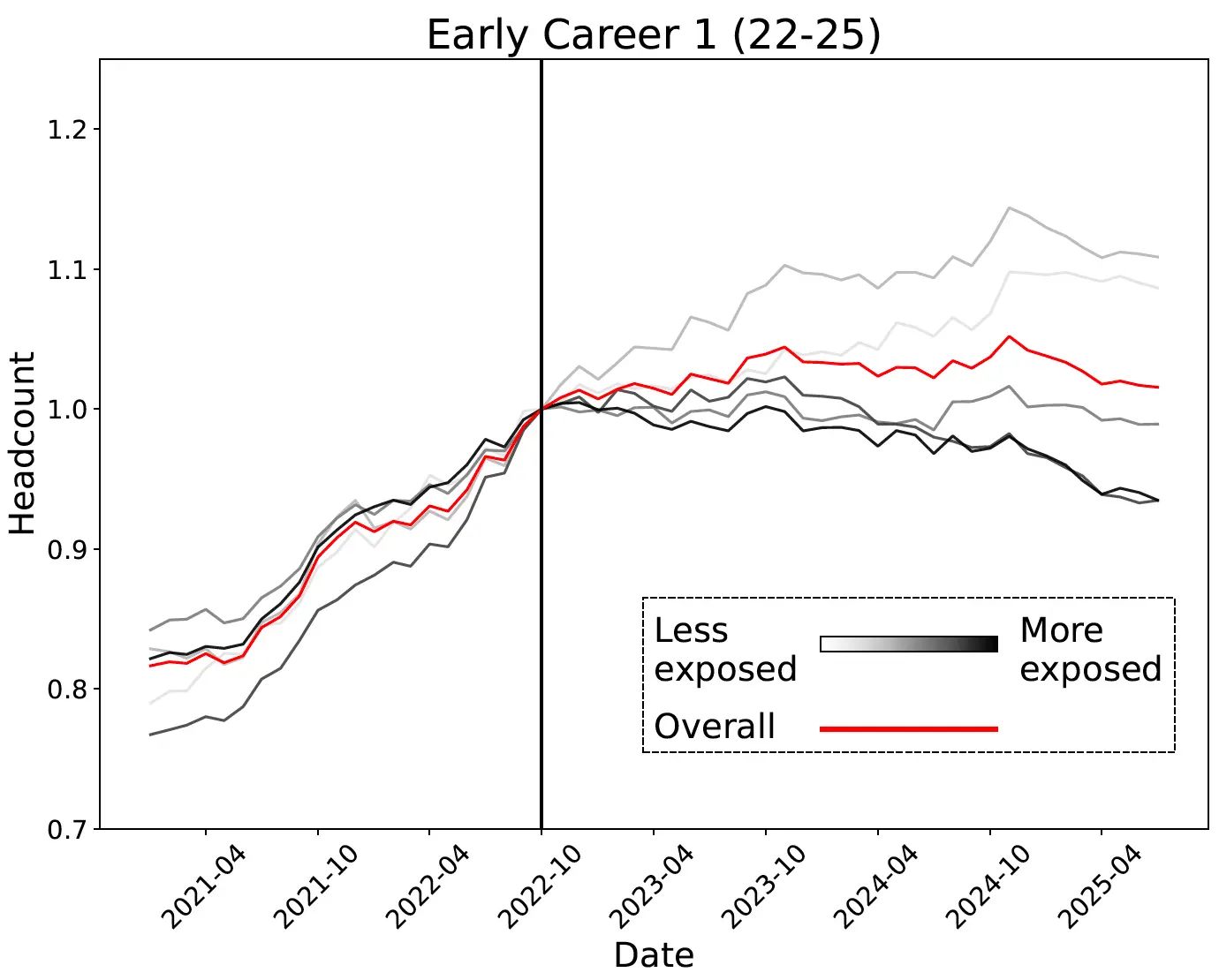
Stanford's work, covered in TIME, shows AI exposure hitting lower-wage and junior knowledge work first.
Ramp's data shows freelancers already absorbing substitution pressure.
Figma's recent report points the other direction: demand for designers is rising, but the role is changing shape.
What kinds of people does this transition make easier to onboard? Which ones does it quietly strand?
Prototyping is where I keep seeing it first.
The word used to feel stable. A prototype was the thing before the thing: lower stakes, incomplete by design, a space to test.
Now a Figma file becomes a live site or a prompt generates a shippable component. A designer working across Framer, Cursor, Claude, or MagicPath can move from rough intent to running artifact in an afternoon.
That's why we launched the State of Prototyping survey.
More than 1,000 designers have taken 4 minutes to fill it out. Please do the same, we’ll publish the results in the next few weeks.
If the ladder is changing, that middle layer is one of the first places it's changing.
Watch the video if you want the full historical frame: What AI Is Doing to the Career Ladder.
These are tools I actually use, so I asked them to sponsor the newsletter. They said yes. The best way to support us is to check them out 👇
Framer → How I build websites without code
Mobbin → How I find design patterns fast
MagicPath → How I design in canvas
Contra → How I hire and manage freelancers
Dscout → How I run user research
That's it for today.
I don't think the move is romanticizing old ladders or sneering at new tools. The work is building better on-ramps while the ground is still shifting.
If the word "prototype" means something different on your team right now, hit reply. I want the weird edge cases.
See you next week,
Tommy