
Techniques
Tommy Geoco

Design debt at machine speed
In this post
001. The enforcement layer nobody's building
002. Quick Hits
Happy Tuesday.
I was talking to Ben Fryc on State of Play this week about how he picks up new tools. His approach: start making, let the making teach you what to ask. No tutorial. No roadmap. Just open the thing and build until the real questions show up.
That conversation was in my head when I pulled up the Into Design Systems 2026 agenda. March 19-20. Session titles like:
"Agentic Design Systems”
"Machine-Readable Design Systems for MCP and LLMs”
"Vibe coding with zero drift”
Brad Frost on context-based systems.
Every session orbits the same question: what happens to your design system when agents build your UI.
Let’s talk about it.
– Tommy (@designertom)
TOGETHER WITH CONTRA
Contra launched the first payments platform that lets you sell directly to AI agents: Contra Payments.
Not AI-assisted workflows or chatbot integrations. Actual autonomous AI agents that browse Contra, evaluate creator portfolios, and purchase digital products — prompt packs, templates, design workflows, full project deliverables.
Files deliver instantly after payment. Creators keep nearly all earnings. This matters because the agent economy isn't theoretical anymore.
If you're building digital products, templates, or workflows, Contra just opened a sales channel that doesn't sleep.
The enforcement layer nobody's building
Let me show you the signals that are rumbling around the evolution of design systems.
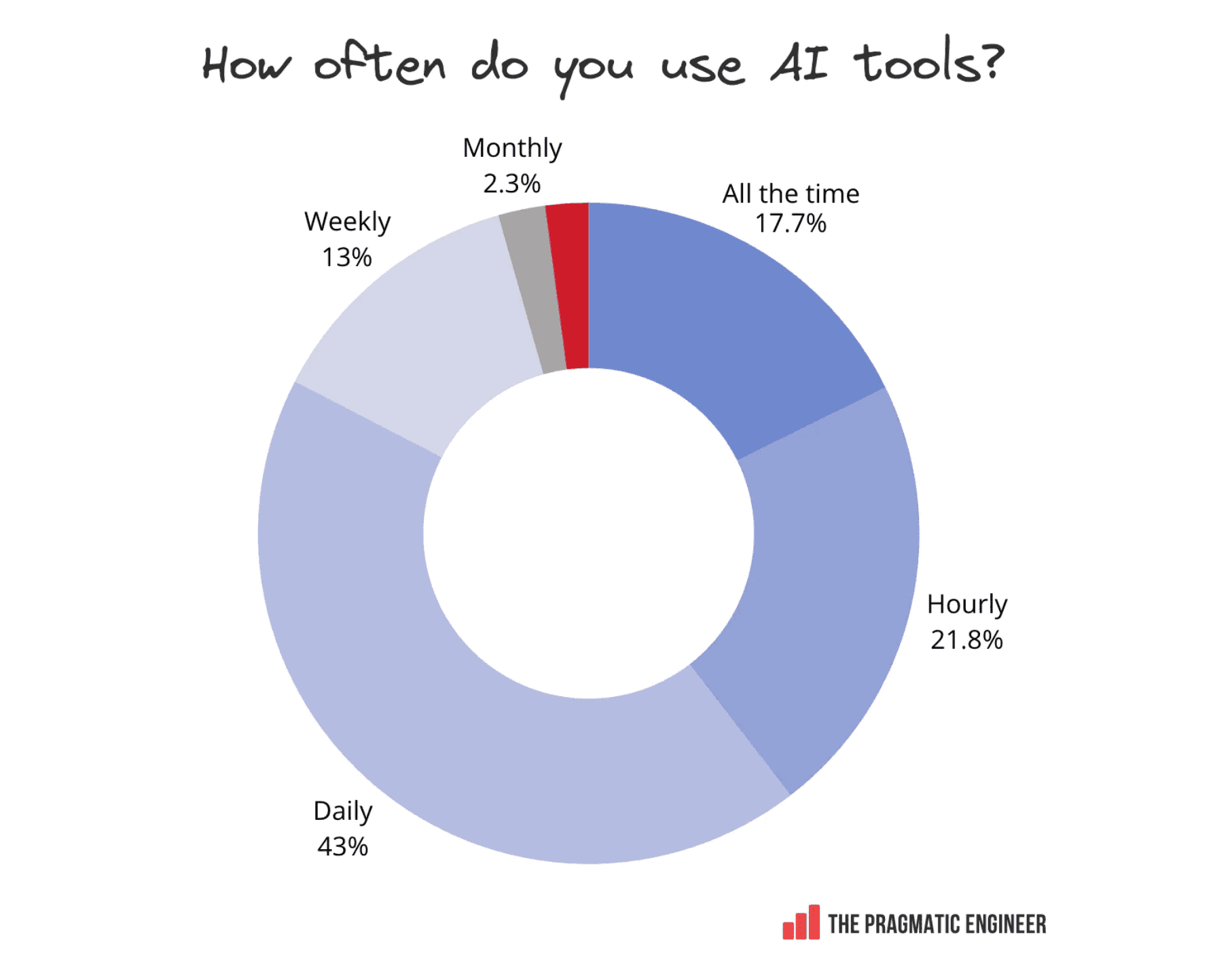
Claude Code became the #1 developer tool in eight months. Pragmatic Engineer's latest survey:
95% of developers use AI tools weekly.
56% do more than 70% of their work with AI.
Agents are shipping production code. But production code that doesn't follow your design system is technical debt at machine speed.
Ryan Carson published a five-layer enforcement stack for making coding agents obey design systems. Canonical lintable docs at the base. Dedicated design-system agent routing. Custom lint rules. Pre-commit hooks. CI gates at the top. Design decisions encoded into the build pipeline.
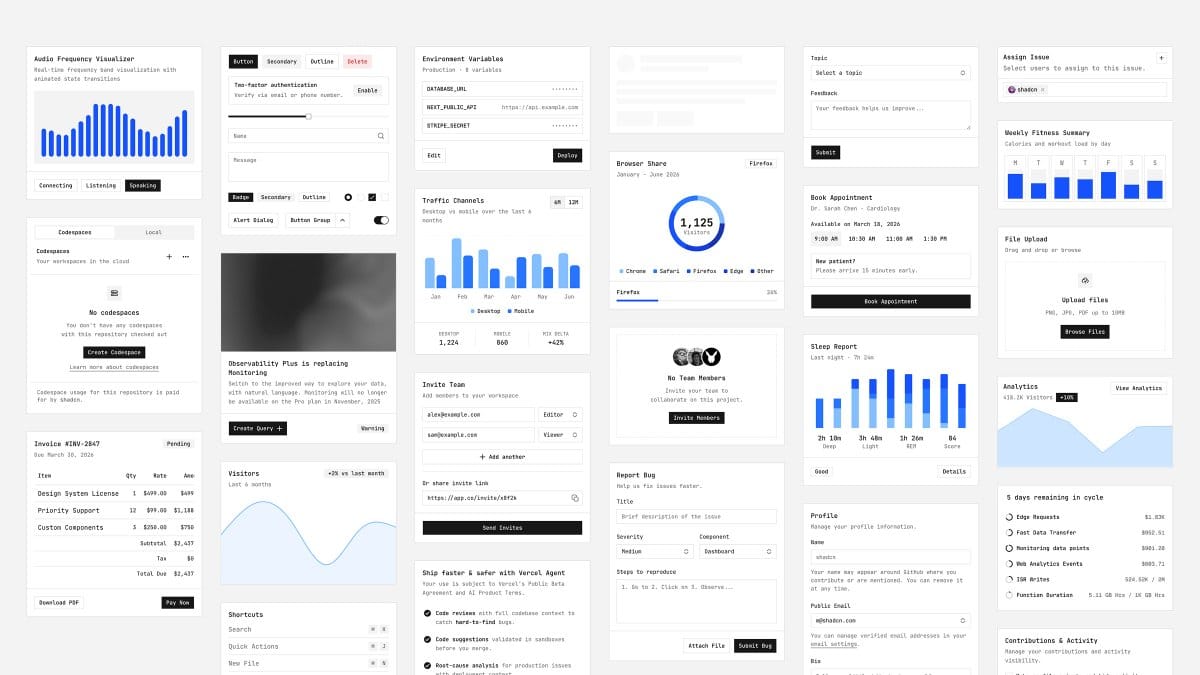
Shadcn followed with CLI v4 and shadcn/skills — component installation structured for coding agent workflows. Components agents install, configure, and enforce.
Design systems used to be reference material. Style guides in Notion or Storybook, consulted by humans with good intentions and imperfect memory.
Now they’ve evolving to include machine-readable enforcement layers: lintable, parseable, enforced at commit time. The things building your interfaces don't have intentions. They execute what you specify and nothing more.
Rachel Been framed the enterprise version: when PMs vibecode prototypes directly, design's job moves upstream. You encode system logic, interaction patterns, and brand coherence into the layer that gets obeyed — not a Figma file that gets interpreted downstream.

Figma is building toward this from the other direction. Their MCP server now pushes rendered UI from VS Code back into Figma as editable frames. Code to Canvas with Anthropic converts AI-generated interfaces into editable design layers. They acquired Weavy (now Figma Weave) for image, video, and animation. The canvas and the codebase are converging. The design system is the bridge.
Rico stated the stakes: when software becomes a commodity, design is the moat. But design as the system — auto-layout, real primitives, named tokens, documented interaction patterns — not design as the pixel. Vague design direction produces vague agent output.
I'm still figuring out where governance ends and bureaucracy starts. Whether this enforcement layer becomes quality control or a new kind of process overhead. Nobody has a template for this yet.
Here's the question I haven’t heard many teams ask: who decides what the agents are allowed to build, and how is that decision enforced?
Right now, for most teams, the answer is nobody, and it isn't.
The teams that figure this out first — canonical docs, agent routing, lint rules, pre-commit hooks, CI gates — don't just ship faster. They ship consistently. And consistency at scale is what separates a product with a point of view from one that looks like five contractors built it without talking to each other.
Agents are entering the workforce.
Quick Hits
Luma Agents — Creative AI agents for text, image, video, and audio on one multimodal model. Launch customers include Publicis, Adidas, and Mazda. Production compression is reaching creative workflows, not just engineering
OpenAI Codex Security — Scanned 1.2M commits, found 792 critical vulnerabilities including CVEs in OpenSSH and Chromium that existing tools missed. Agent-scale code review arriving alongside agent-scale code generation.
Pragmatic Engineer AI Survey — The full survey is worth reading for the trajectory data alone. Claude Code #1 in eight months. The shift from "AI-assisted" to "AI-native" workflows is no longer a prediction.
These are tools I actually use, so I asked them to sponsor the newsletter. They said yes. The best way to support us is to check them out 👇
Framer → How I build websites without code
Mobbin → How I find design patterns fast
MagicPath → How I design in canvas
Contra → How I hire and manage freelancers
Dscout → How I run user research
If your team is doing anything to make your design system agent-readable — lint rules, structured docs, agent routing, anything — I want to hear about it.
Hit reply and tell me what's working.
See you on Friday.
Tommy