Collaboration
Tommy Geoco

A room full of prototypers
In this post
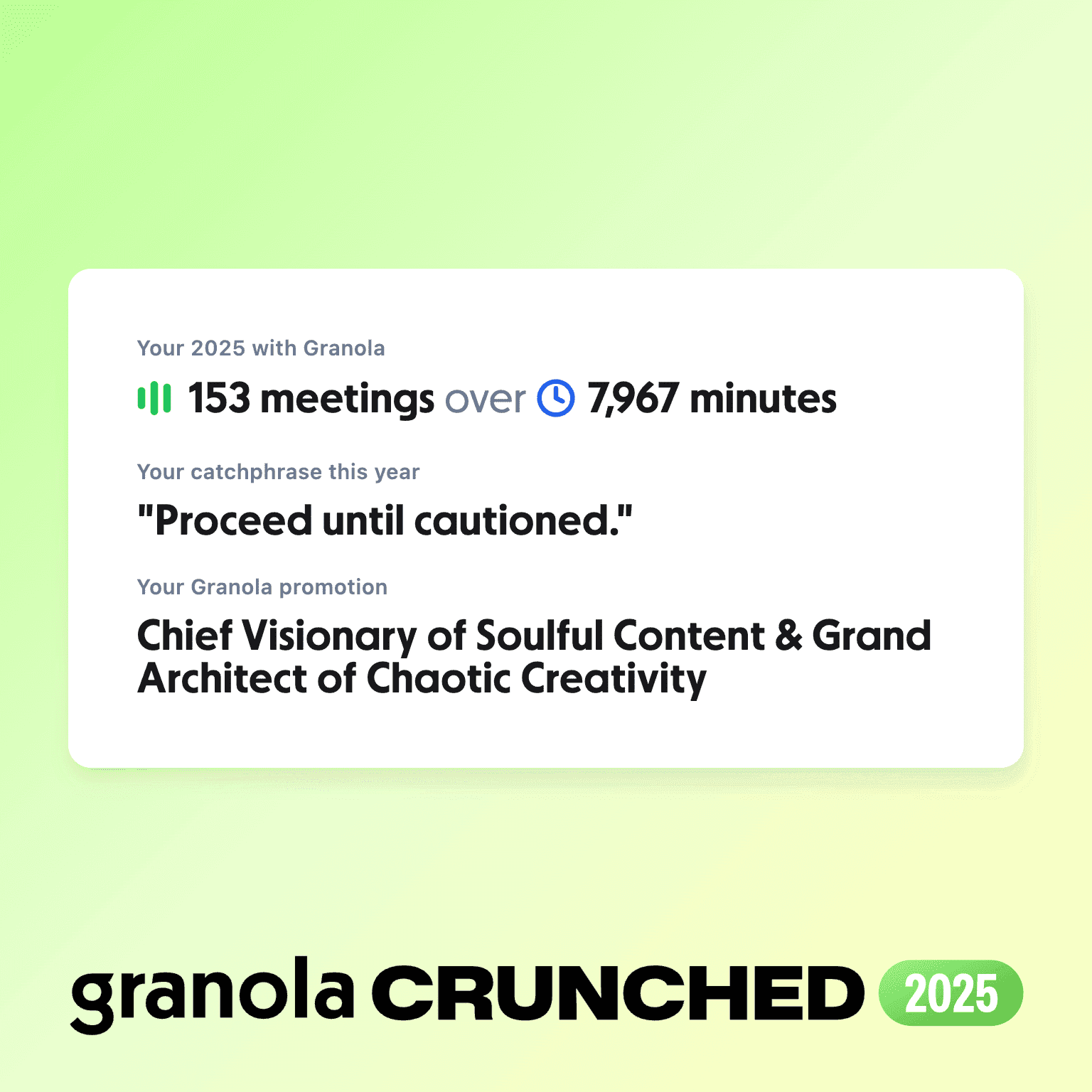
“Proceed until cautioned” is my phrase of the year, according to Granola’s Crunched.
This is how I’ve directed my small but mighty team to pursue our ambitious goal to inspire the design community through storytelling.
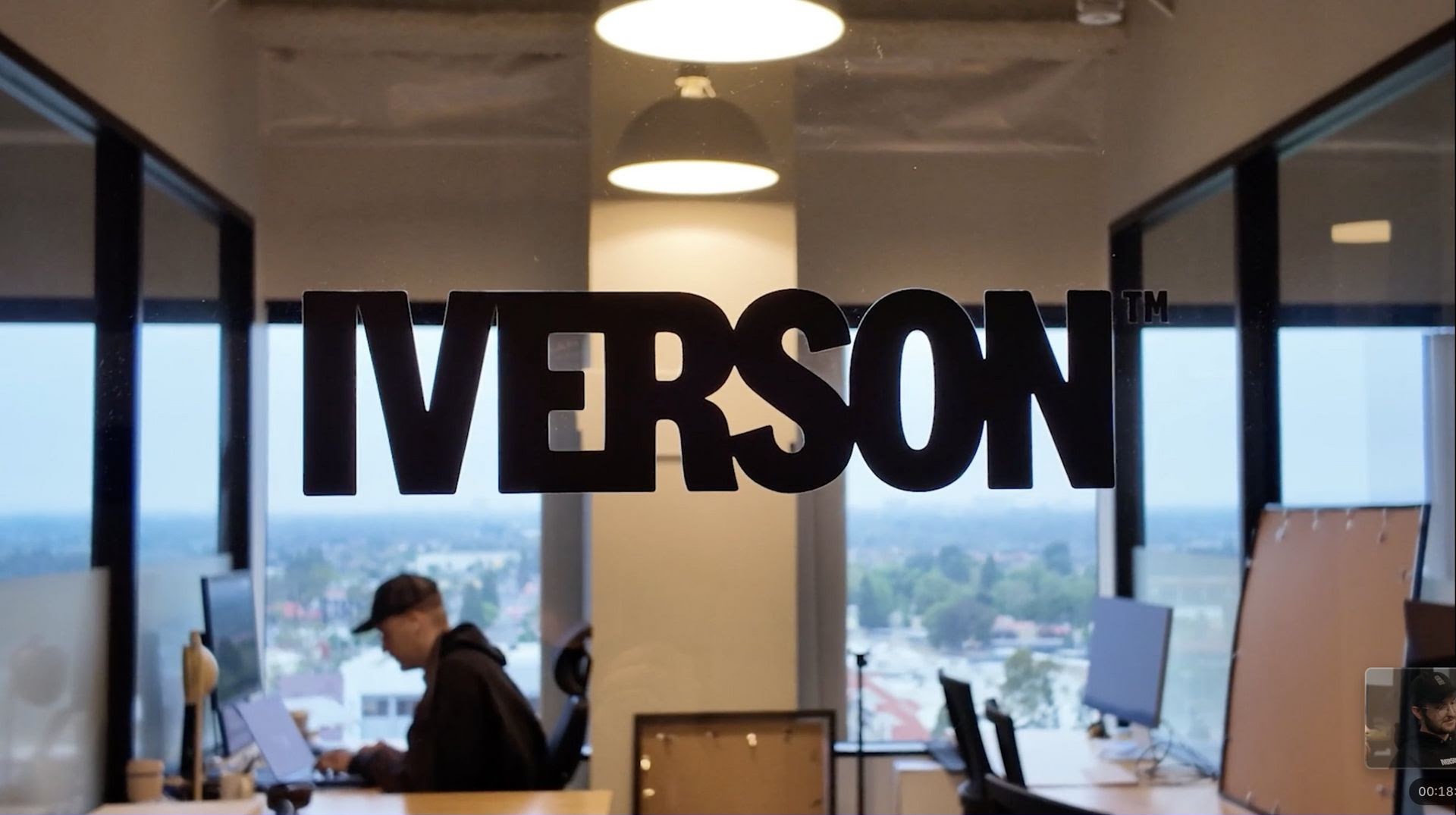
We just shipped episode 2 of our docu-series following talented teams. This time we followed Soren Iverson and his agency through their unique craft of bringing viral absurdity to products like Duolingo.
Soren’s taste is killer, and he’s one of my favorite designers of the year.
A must-watch for anyone looking for a dose of inspiration.
– Tommy (@designertom)
TOGETHER WITH GRANOLA
Granola is an AI notepad and is hands-down my tool of the year.
They just launched their version of Spotify’s Wrapped called “Granola Crunched”, creating 16 hilarious and insightful callouts about you, your people and your progress.
Around minute 3,000 of using Granola, it clicked for me that the central source of truth for a team isn’t the PRDs or the Slack channels - it’s the conversations.
“Good design is like air conditioning - you only notice it when it’s not working,” perfectly describes why I love Granola.
And it makes sense, given that it was co-founded by designer Sam Stephenson.
If this isn’t in your stack yet, it will be by next year.
P.S. Looks like it will still generate your insights if you start using it from now until the end of the year.
Playing in the Gaps
I run a media lab that serves the design field, but I stopped doing traditional design work in 2022. This means I rely on our research, talking to founders & designers, and being chronically online to understand what’s happening in software design.
This is what I’m seeing:
Planning the Research
I’m writing the questions for this year’s Annual Design Tools Survey and two things come to mind:
Our survey should focus on a few main threads
This year, those threads appear to be related to prototyping
On Social Media
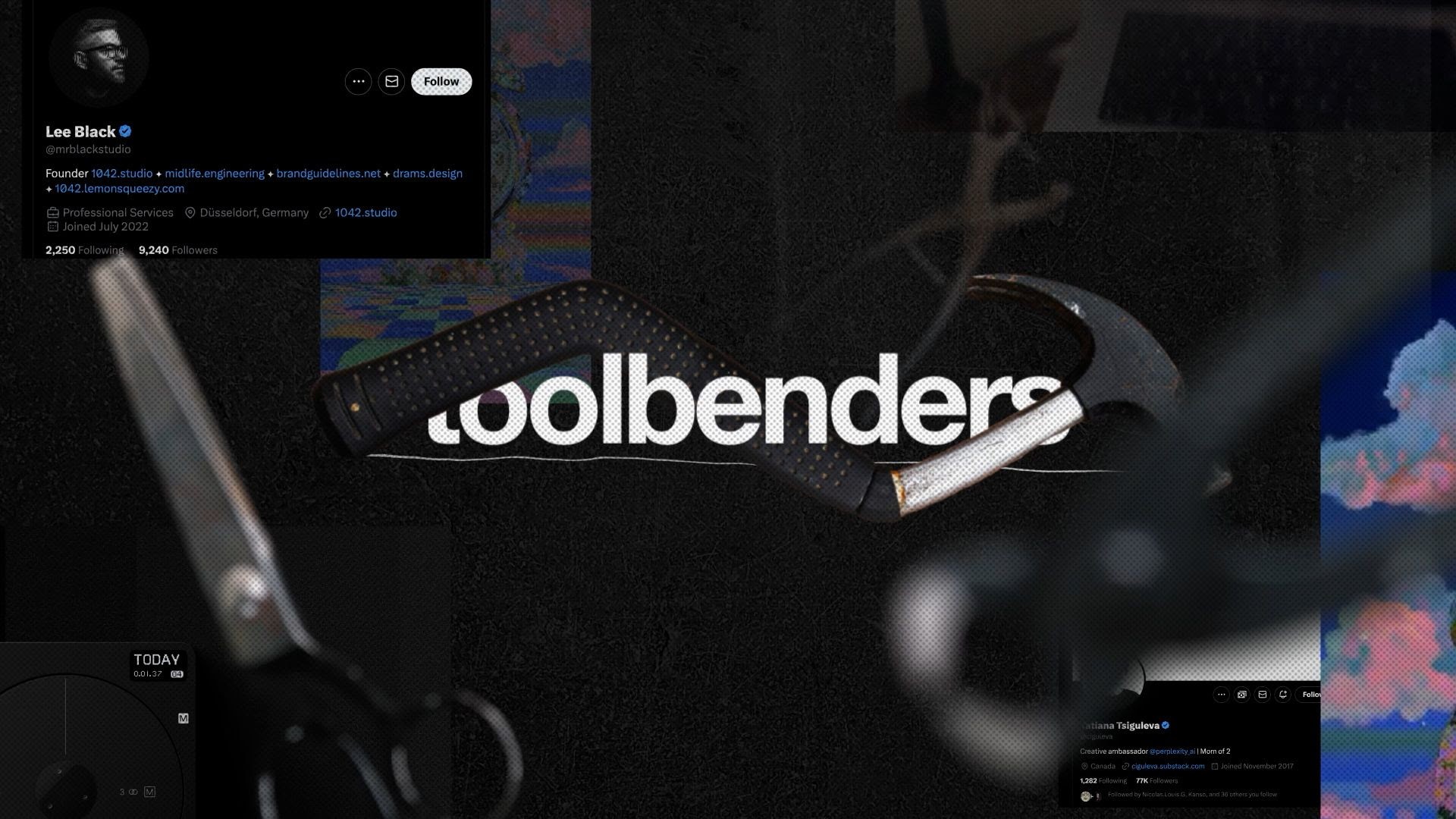
I watched Lee Black dazzle his way across social media this year creating hyperrealistic 3d animations with Figma, bringing to life a midi-board with Framer, animating a trailer with Midjourney and Runway.
I watched Marisa aka MeshTimes go from designer who’d never coded to Figma celebrity who has launched more than 5 apps this year (Advent calendar, compilation.
I watched Tom Johnson go from no-name to the reason people even knew the name Basedash to trendsetting dithering in web UI to a Vercel team member.
I even watched my favorite hype-critic Hang Xu become the top user of AI design tool MagicPatterns (and it looks like he’s creating some cool ideas)
And I watched designer after designer - not influencers - dare to share their unconventional experiments across social media.
Making the Tools
I watched vibecode tools build visual inspector features like Dazl, v0, Bolt, and Lovable.
I saw an array of new AI-powered, infinite canvas design tools released, most notably Paper, MagicPath, Opacity and Figma Make.
Web publishing tools like Webflow and Framer introduced AI-powered features.
I met the founders of node-based creative tools for professionals who use generative AI media in tools like FLORA and Weavy, of which the latter launched in June and was acquired by Figma four months later.
And every design tool on the market not named Sketch or Procreate is trying to strategically consolidate some part of the process with AI enhancement.
The Pattern
Whether in play or production, and regardless of how, why or when, the emerging pattern is clear: more designers - from freelance to agency to startup to enterprise - are moving closer to the source of truth.
“Slop” was The Economist’s “word of the year”, but after seeing product roadmaps and hearing from working designers, I’m convinced words like “slop”, “one shot”, and “vibecode” will be gone faster than you might expect.
So Now What?
Some day, we’ll talk about the moment that came after “the golden age” of software development: the AI revolution that evolved the field.
We’ll refer to the endless pontifications about what to do with the falling sky and all of the supporters, doomers and dissenters.
There are a gradient of ways to approach the here and now:
Optimism: "This is the best time ever to be a designer."
You see the falling barriers as pure upside. Every new tool is a gift. The gap between idea and shipped product is finally closing, and you're first in line. Sharing AI-generated experiments regularly, convinced the future belongs to the playful.Pessimism: "You're all getting distracted"
While everyone's posting AI experiments, the real work of design - research, strategy, systems thinking - remains unchanged and undervalued. The shiny tool obsession is a symptom of an industry that's lost the plot.Pragmatism: "This is happening whether I agree with it or not."
You're not cheerleading or mourning, but you're adapting. You're testing tools, keeping what works, and discarding what doesn't. You're not posting hot takes about the future of design. You're too busy experimenting to care.
On Our Radar
Framer just launched their swag shop (I’m kitted out)
Soleio’s The Keeper is my favorite short read of the year
Tavus went viral for their AI Santa
Contra + TempoLabs are hosting a $25k challenge
I chatted with Chris Nguyen about Taste + Play + Storytelling
Shopify’s BFCM website was another banger
The Bottom Line
I'm choosing pragmatism, but with optimistic energy.
The designers I'm watching aren't debating whether AI is good or bad for design. They're using Midjourney and Cursor to make things exist that they couldn’t before.
I want to hear from you. Reply to this e-mail:
Where are you on the gradient? What are you building?
I may even quote you in this year’s survey.